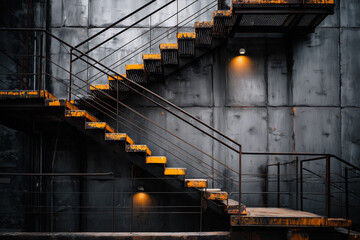
Architecture Stairway Metal Railing provides significant structural support and add an aesthetic element to your property. Depending on the architectural style and design, they can be made from a variety of materials.
Whether you choose the strength and durability of steel, the classic beauty of wood, or the modern elegance of glass, the materials you select will shape your staircase for years to come.
Steel
Steel is one of the most versatile construction materials available, and it can be used in a variety of ways in staircases. It offers a sleek appearance and modern aesthetic that complements contemporary environments. It is also a durable material that resists damage and wear over time. However, it’s important to note that this material may be affected by temperature extremes and will rust if not protected properly.
Stainless steel is a popular choice for commercial buildings, offices and shopping centers due to its durability and longevity. It can withstand harsh environmental conditions and requires minimal maintenance to maintain its attractive appearance. In addition, it is an environmentally friendly metal that can be recycled and reused without losing its quality.
Another benefit of steel is that it is able to be fabricated into an unlimited number of shapes and sizes. This flexibility enables architects to create unique and customized railings that align with their design vision while adhering to safety standards. In turn, this can increase marketability and support premium lease rates, as well as higher long-term occupancy and asset value.
While metal is an excellent choice for creating custom stairway railings, it’s essential to consider the environmental and aesthetic factors of each space before making a final decision. Some metals are prone to corrosion, so it’s important to research each option carefully. Additionally, some metals can become cold to the touch and are sensitive to temperature changes.
Wrought iron is a popular choice for achieving a classic and elegant look. It is highly customizable and comes in a variety of different colors and finishes. However, it can be expensive to repair and maintain if the material becomes damaged. Additionally, this type of metal is not as strong as other options, so it isn’t recommended for use in high-traffic areas.
Wood is a great alternative to metal for stairway handrails, as it can be stained or painted to match the environment. It is also a cost-effective material and easy to install, making it an ideal option for DIY remodel projects. It’s also easy to blend with other materials, such as glass or metal, to create a cohesive look. While wood isn’t as durable as other options, it is a safer choice for children and elderly people and can be reinforced to meet safety requirements.
Aluminum
Aluminum is a popular material for modern railings, as it complements a wide variety of design styles. The material is available in a range of colors and finishes, giving homeowners ample customization options. Additionally, aluminum is resistant to rust and stands up to harsh weather conditions without losing its strength or aesthetic appeal. The ability to withstand the elements makes it an ideal choice for outdoor applications, such as balconies and rooftop decks.
The use of aluminum can also help improve the environmental impact of a stairway railing system. The material is highly recyclable, and most manufacturers use recycled materials in their production processes. This helps reduce greenhouse gas emissions and contributes to a more sustainable economy. The ability to repurpose the material ensures that aluminum never loses its value and provides a strong return on investment for consumers.
Stairway railings must meet rigorous commercial safety standards, and the right type of material can make or break a project. For example, vinyl railings are budget-friendly but lack the strength required for professional settings and can crack in extreme temperatures. Wrought iron is durable but expensive and requires regular painting to avoid rust, making it unsuitable for high-use areas. Aluminum offers a balance of safety and affordability, making it the preferred material for commercial projects.
For instance, many downtown high-rises feature balcony railings made of aluminum because it can withstand the wear and tear of a busy urban environment. The material is also lightweight, making it easier to transport and install. Additionally, many aluminum systems utilize brackets or clips instead of welding to connect components, speeding up installation and enabling easy on-site repairs.
Another benefit of using aluminum is its resistance to corrosion, which is critical for maintaining structural integrity in commercial settings. Unlike steel, which can rust or weaken in the presence of moisture, aluminum forms a natural oxide layer that protects against damage. This durability is enhanced by powder coating, which resists scratching and fading from UV rays.
When it comes to building a staircase with the right type of railings, the design process begins with accurate measurements and site preparation. For example, if the stairway is in an open area, installers may have to dig holes or level the ground to create space for the posts and other components. Next, the individual parts of the railing must be assembled, with the balusters fastened to the handrail and the handrail attached to the posts.
Wrought Iron
The use of metal stair railings enhances the beauty of homes while meeting building codes for safety. They are a perfect choice for outdoor entry stairs, balconies and decks, but they can also be used indoors in homes, office buildings or commercial spaces. The railing can highlight a staircase’s architectural style and add a modern or classical look, depending on the design chosen.
Steel is strong and durable and withstands the elements, making it a popular material for exterior stairways. However, it can rust and weaken in extreme temperatures or when exposed to moisture. It can also be difficult to work with, especially if you are installing the railing yourself. Aluminum is an excellent alternative to steel, and it is much lighter and can be made into more intricate designs.
Wrought iron is a malleable metal that contains low levels of carbon, which allows it to be heated and formed into shapes for decorative applications. It reached its peak in popularity in the 1800s and is still being used for restoration projects. Wrought iron stair rails are more expensive than other options, but they have a classic look that many people prefer. They can be a beautiful addition to any home, but they must be regularly repainted to protect them from the weather.
Stairway handrails are available in a variety of materials and can be designed with many features. Some of the most common include:
A baluster is a vertical post that supports the handrail. They can be straight, curved or angled and can be decorated with various finishes. The balusters are connected to a newel post at each turn of the staircase, and the newel posts can be topped with a finial.
A volute is a scroll-like end to a stair rail that can be made from wood or metal. It is a popular decorative element for curtail or bullnose steps. A finial is a decorative piece that resembles a ball and can be either made from metal or wood. It is usually placed at the top of a newel post.
Wood
Providing a secure grip and helping prevent falls, handrails are a safety necessity for staircases. Stair rails are typically built with a smooth surface and no sharp edges to help minimize the risk of injuries and accidents. In addition, stair rails should be durable enough to withstand any external force or pressure and comply with all building codes and regulations.
Stair railings are available in a range of materials to meet your specific needs and style. For example, wrought iron and aluminum are popular choices for commercial and industrial settings, while wood offers a traditional appearance. Glass is a great option for open-concept spaces, while a cable railing system combines modern lines and transparency with stability and security.
Wood railings are a classic choice for homes and offer a warm, cozy feel. Lighter woods such as ash and oak work well in small homes, while dark woods like mahogany add a more formal look to manors and period-style buildings. Wood is easy to customize to fit your décor, and it can be painted or stained any color you desire. However, wood is prone to environmental sensitivity and requires frequent maintenance to keep its integrity. It is also susceptible to moisture and temperature changes that can lead to rot or warping.
Metal stair rails offer the strength and durability required for high-traffic areas, while their sleek, modern design is ideal for contemporary environments. Metal railing systems are also available in a variety of finishes and can be customized to match your desired aesthetic. They are an excellent choice for industrial, commercial and urban settings and can be combined with a wide range of handrail and newel post materials.
While it may seem counterintuitive, combining wood and metal can create a visually balanced and cohesive design. Wood introduces warmth and character, while metal provides definition and contrast. At Art Boulle, we specialize in artisanal stairs that balance the natural elegance of wood with the precision and strength of metal. By combining these elements thoughtfully, we achieve a harmonious design that feels refined and timeless.